

Is Forex Trading Halal or Haram A Comprehensive Analysis

In recent years, forex trading has become a popular investment avenue, attracting individuals worldwide. However, for Muslim traders, a critical question arises: is forex trading halal or haram? The Islamic perspective on financial transactions and investments requires careful consideration of Shariah principles. Before delving into the intricacies of forex trading, it is essential to understand what constitutes halal (permissible) and haram (forbidden) practices in Islam. For more information, visit forex trading halal or haram https://trading-terminal.com/.
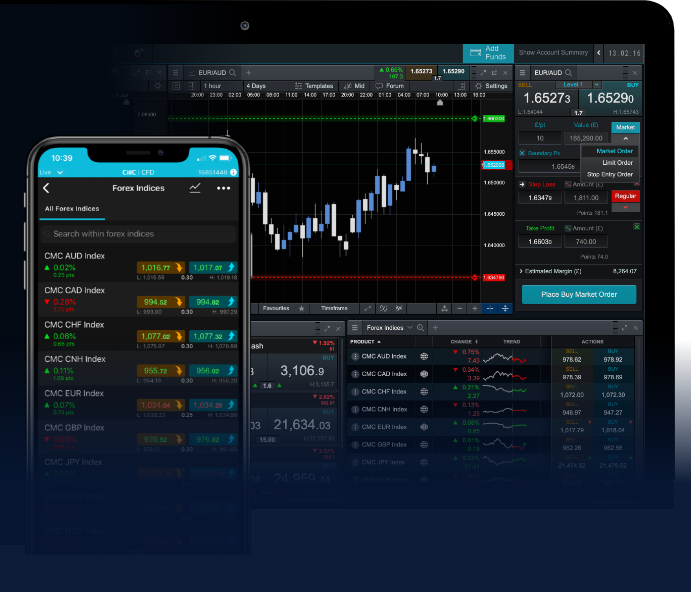
Forex trading involves the exchange of currencies in the global market, a highly liquid and dynamic environment. The primary aim is profit generation based on fluctuating currency values. But does the nature of forex trading align with Islamic teachings? Here, we will evaluate various aspects of forex trading to determine its permissibility under Islamic law.
Understanding Halal and Haram in Islam
To assess whether forex trading is halal or haram, it’s vital to define halal and haram. Halal refers to what is permissible according to Islamic law, while haram denotes what is prohibited. Islamic jurisprudence (fiqh) encompasses comprehensive rules regarding financial transactions, making it crucial to align trading practices with these principles.
A few fundamental principles in Islamic finance that could influence the permissibility of forex trading include:
- Riba (Usury): Any form of interest, whether it be in loans or investment, is considered haram. In forex trading, some brokers may charge overnight fees (swap fees) for holding positions, which could be interpreted as riba.
- Gharar (Uncertainty): Transactions involving excessive uncertainty or ambiguity are prohibited. Forex trading can be speculative, leading to significant risk and uncertainty regarding outcomes.
- Ethical Investments: Investments must align with Islamic ethical standards. This means avoiding trading in currencies linked to haram industries, such as alcohol or gambling.
Is Forex Trading Halal?
Many scholars and Islamic finance experts have debated the permissibility of forex trading. Opinions vary widely, and it’s essential to explore the arguments on both sides to arrive at a well-informed conclusion.
Arguments Supporting Forex Trading as Halal
- Speculation as a Business Activity: Some scholars argue that forex trading is akin to other business activities, where parties engaged in trade exchange goods for profit. Since trading is allowed in Islam, forex trading can also be deemed permissible.
- No Physical Underlying Asset: Unlike other financial instruments, forex trading deals in currencies, which can be argued as a legal form of exchange without the physical presence of goods.
- Availability of Islamic Accounts: Many forex brokers offer Islamic accounts that do not charge swap fees. These accounts are structured to comply with Shariah, thus providing avenues for Muslim traders to participate in forex without infringing on Islamic law.
Arguments Against Forex Trading as Haram
- Riba Concerns: Critics highlight that even Islamic accounts may have hidden fees that could be deemed as interest, which breaches the prohibition of riba.
- High Levels of Gharar: Forex trading can be highly speculative, leading to immense uncertainty. Many Islamic scholars argue that such activities fall under excessive gharar and are thus forbidden.
- Ethical Concerns: The volatility and rapid nature of forex trading could draw individuals into unethical trading practices or gambling-like behavior, which is prohibited in Islam.
The Role of Education and Understanding
For Muslims seeking to engage in forex trading, education is paramount. Comprehensive knowledge of forex markets, strategies, and the ethical implications of trading practices can help align trading with Islamic values. It’s also crucial to seek guidance from knowledgeable Islamic scholars or advisors in finance to navigate this complex territory.
Incorporating the guidance of Islamic finance professionals, traders can develop a plan that balances the pursuit of profit with adherence to Islamic principles. This approach can involve using tools that limit risk and avoid excessive speculation.
Conclusion: Making an Informed Decision
The question of whether forex trading is halal or haram remains a nuanced topic, with valid points on both sides. Ultimately, the decision involves personal reflection, consultation with knowledgeable authorities, and a clear understanding of Islamic teachings. Muslim traders should consider adopting a disciplined and ethical approach to forex trading, ensuring that their practices align with the core values of their faith.
Engaging in forex trading can be a legitimate investment opportunity if conducted within the bounds of Islamic law. Therefore, aspiring traders must conduct thorough research and seek trustworthy advice before entering the forex market.